
An update on the ongoing wildfire situation in Northwestern Ontario, how we as a church have been helping, and how you can join in and help too.
What Is Happening
As of July 23th, there are 145 active wildfires burning in Northwestern Ontario, and there are more than 2800 evacuees, mostly from First Nations communities, scattered across the province. Two First Nations communities have been lost (White Water Lake and Collins) and the crisis is not over.
In a 2024 study on the impact of wildfires on Canadians, the Public Health Agency of Canada found that:
It is estimated that First Nations communities make up 42% of evacuations due to wildfires but only make up 5% of people living in Canada….Indigenous communities disproportionately experience both adverse mental health and physical health outcomes due to wildfires…. Indigenous communities often depend on the land for food, water, recreation, and cultural practices. Therefore, wildfires disrupt Indigenous ways of life and threaten important cultural activities, such as hunting, fishing, harvesting, and gathering….
Furthermore, Indigenous communities are often excluded from emergency preparedness and relief measures, that undermine rights to self-determination and autonomy. For example, Indigenous Peoples are often left out of decision-making processes regarding forest management before and after wildfire events, despite being the traditional keepers and stewards of the land….
[T]he evacuation measures conducted in Indigenous communities served as traumatic reminders of being taken away to residential schools and/or the Sixties Scoop as some were forced onto buses and separated from family. (Public Health Agency of Canada 2024)
In a 2024 study on the impact of wildfires on Canadians, the Public Health Agency of Canada found that:
It is estimated that First Nations communities make up 42% of evacuations due to wildfires but only make up 5% of people living in Canada….Indigenous communities disproportionately experience both adverse mental health and physical health outcomes due to wildfires…. Indigenous communities often depend on the land for food, water, recreation, and cultural practices. Therefore, wildfires disrupt Indigenous ways of life and threaten important cultural activities, such as hunting, fishing, harvesting, and gathering….
Furthermore, Indigenous communities are often excluded from emergency preparedness and relief measures, that undermine rights to self-determination and autonomy. For example, Indigenous Peoples are often left out of decision-making processes regarding forest management before and after wildfire events, despite being the traditional keepers and stewards of the land….
[T]he evacuation measures conducted in Indigenous communities served as traumatic reminders of being taken away to residential schools and/or the Sixties Scoop as some were forced onto buses and separated from family. (Public Health Agency of Canada 2024)
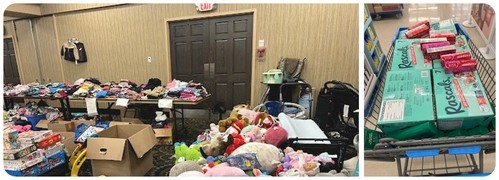
What We Are Doing
Thunder Bay continues to play a vital role as a reception and support centre for thousands of evacuees from First Nations and other communities affected by the ongoing wildfires across Northwestern Ontario. We at Redwood, along with Northwind Family Ministries and many other community organizations and volunteers, are working together to provide temporary relief to those who have been evacuated to Thunder Bay.
Here are a few practical ways Redwood has participated:
You may be aware that we are scheduled to run our Kids Day Camp in Mish from August 2–8, 2026, and as of now, that is still the plan. We’re keeping our eyes on the wildfire conditions to ensure the safety of our team while they continue to partner with the people of Mish.
Let’s continue to be in prayer for that community, for the camp, and the amazing team that is planning to head there next week.
Here are a few practical ways Redwood has participated:
- The first request for relief supplies—including clothing for people of all ages, diapers, and toiletries—came on July 15, to support the first group of evacuees from Collins, White Sand First Nation, and Armstrong. As a church, we were able to purchase diapers, body wash, soap, toothpaste, toothbrushes, and lotion to help meet these immediate needs.
- Last Sunday, evacuees from Mishkeegogamang First Nation made a brief stop in Thunder Bay before being transferred to Barrie. The community called Samuel Sarpiya, Redwood’s Missional Engagement Pastor, who delivered pizzas to feed 35 kids, youths, and adults while they waited at the airport for their connecting flight.
- Deepak and Jyoti Kumar, Redwood New Ventures workers who serve as teachers in Mish, are currently spending their summer in Barrie. They have been meeting with the evacuees to care for and encourage them.
You may be aware that we are scheduled to run our Kids Day Camp in Mish from August 2–8, 2026, and as of now, that is still the plan. We’re keeping our eyes on the wildfire conditions to ensure the safety of our team while they continue to partner with the people of Mish.
Let’s continue to be in prayer for that community, for the camp, and the amazing team that is planning to head there next week.
What You Can Do to Join In
1. Pray for those most affected by the fire and those providing care and relief. Let’s not rush past this part; we need the Lord. The needs and challenges are greater and more complex than anyone can solve on their own. May He give all of those affected and all of those assisting what they need when they need it. Lord, have mercy.
2. Sign up for our Emergency Response Team. We are putting together a list of people to call upon when needs arise. If you have skills and want to help, please fill out this form to join our Emergency Response Team →
3. Give. The work takes resources. We can’t all be on the front lines, but we can support those who are. Your giving makes it possible for us to act at a moment’s notice when called upon for help. Learn more about giving →
2. Sign up for our Emergency Response Team. We are putting together a list of people to call upon when needs arise. If you have skills and want to help, please fill out this form to join our Emergency Response Team →
3. Give. The work takes resources. We can’t all be on the front lines, but we can support those who are. Your giving makes it possible for us to act at a moment’s notice when called upon for help. Learn more about giving →
Posted in Community Life